
Everything You Need to Know About Garage Door Springs
Your springs counterbalance hundreds of pounds of door weight every single day. Understanding how they work, when they fail, and what replacement involves puts you in control — not in the dark.
Quick Facts
A standard 16×7 door weighs 155–185 lbs — the springs lift nearly all of it
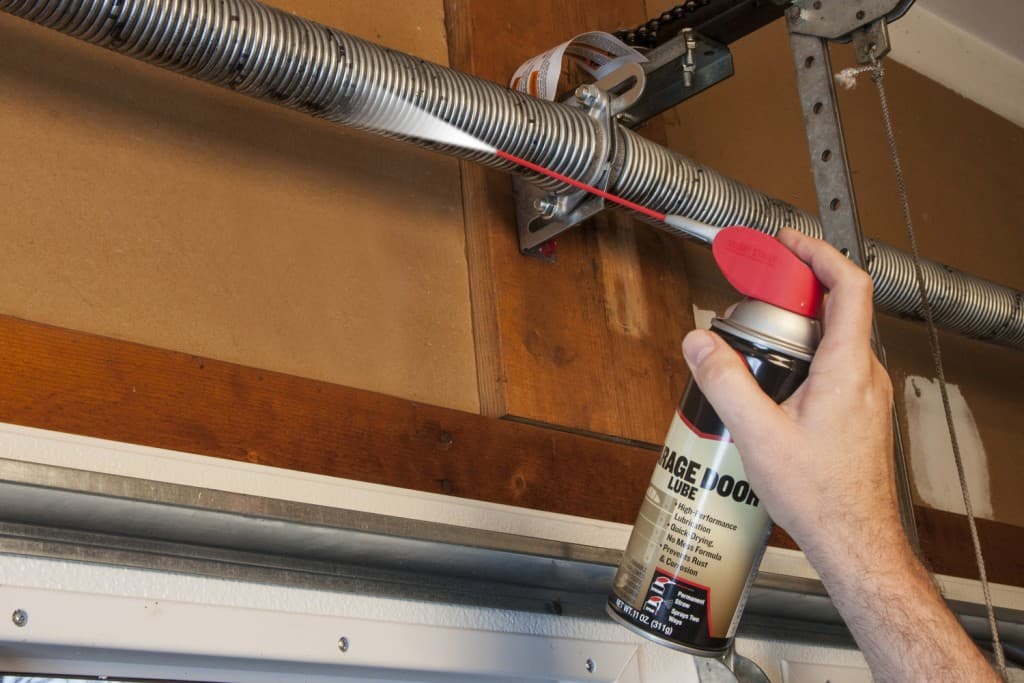
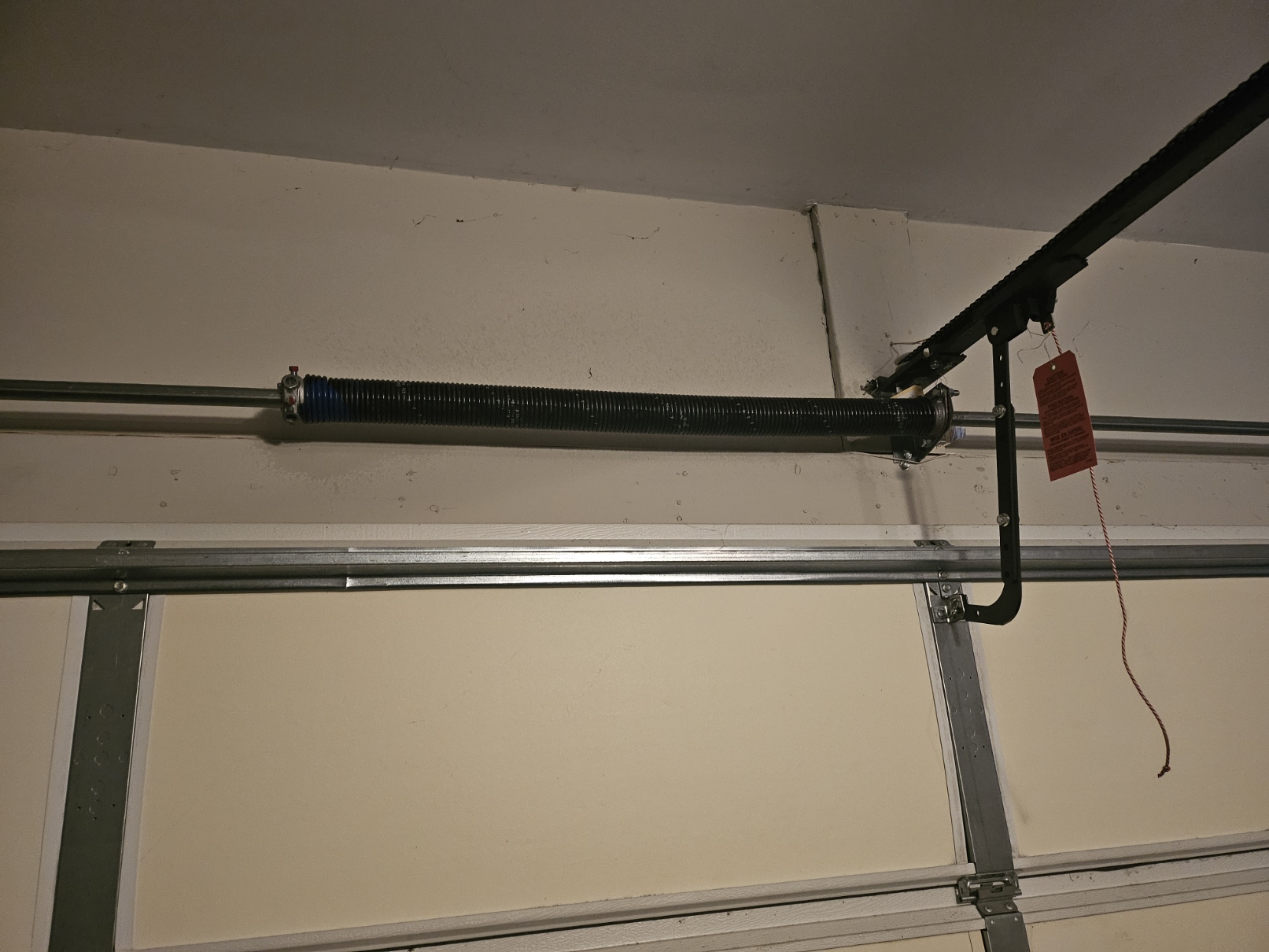
Torsion springs mount above the door on a shaft; extension springs run along the tracks
Temperature drops increase spring breakage — NC winters are peak failure season
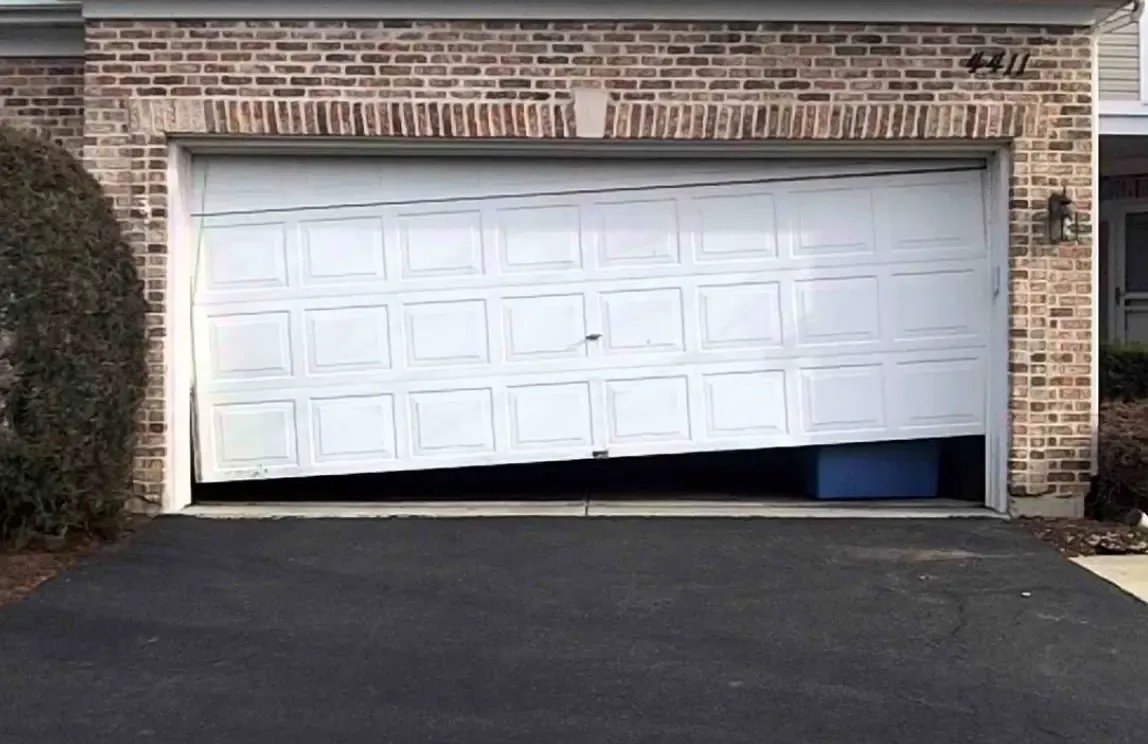
A broken spring sounds like a gunshot or car backfire from inside the garage
BOGO half-off on pairs — ask about our spring replacement special
In-Depth Articles
Deep-dive guides written by our technicians — 1,500–2,500 words each, no filler.

Frequently Asked Questions
The questions our customers ask most — answered honestly.
How long do garage door springs last?
Standard torsion springs are rated for ~10,000 cycles. At 4 cycles per day, that's about 7 years. High-cycle springs (25,000–50,000 cycles) last 15–30+ years.
Can I replace a garage door spring myself?
We strongly advise against it. Torsion springs are under extreme tension — a misstep can cause serious injury. This is one of the few garage door jobs that should always be left to a professional.
Why did both springs break at the same time?
They usually don't. But if one broke months ago and you didn't notice (the opener compensated), the remaining spring was carrying double the load and failed shortly after.
Should I replace both springs if only one broke?
Yes. Springs installed at the same time have the same cycle count. If one failed, the other is close behind. Replacing both avoids a second service call and keeps the door balanced.
Real Work — Our Portfolio
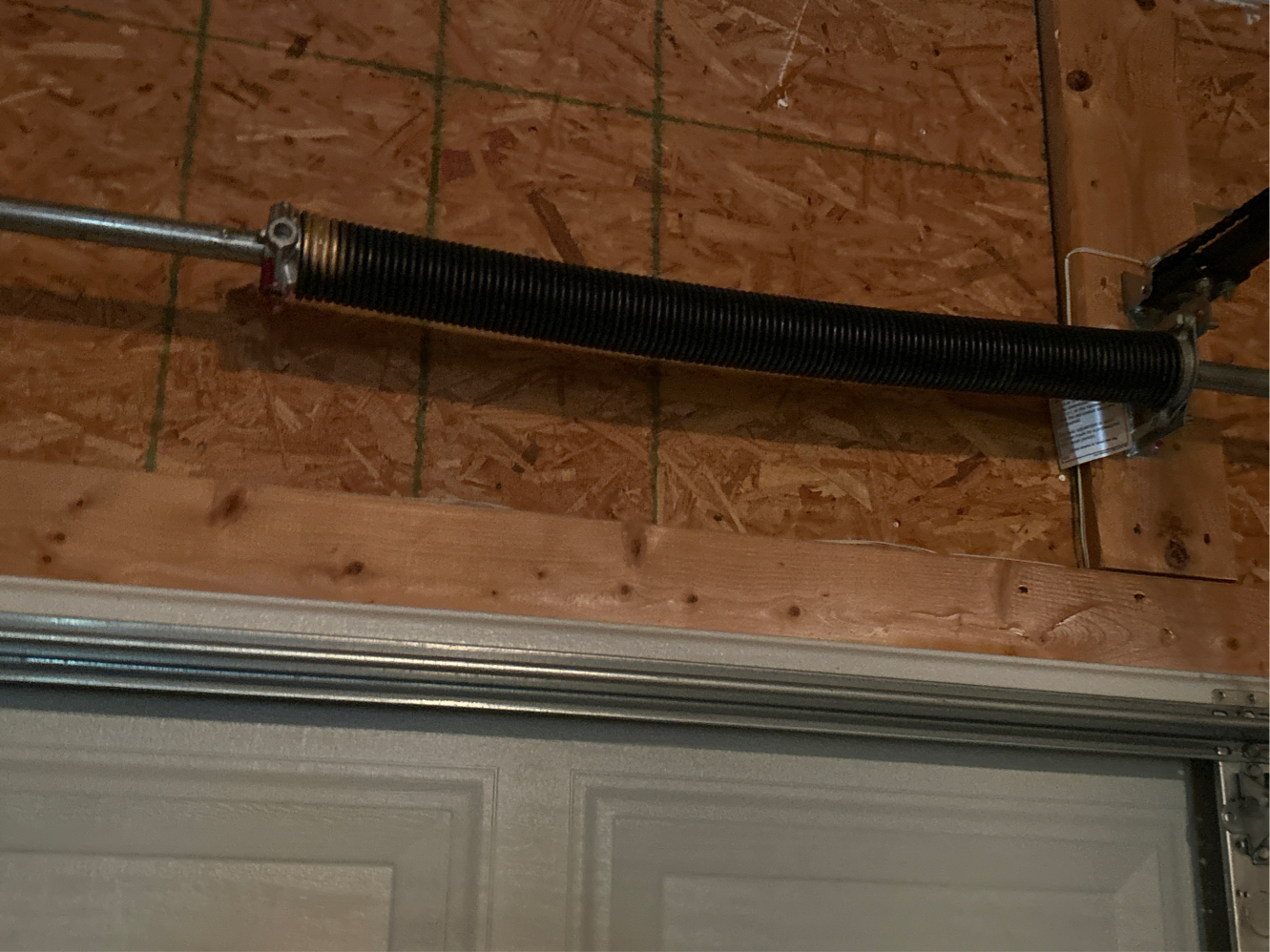
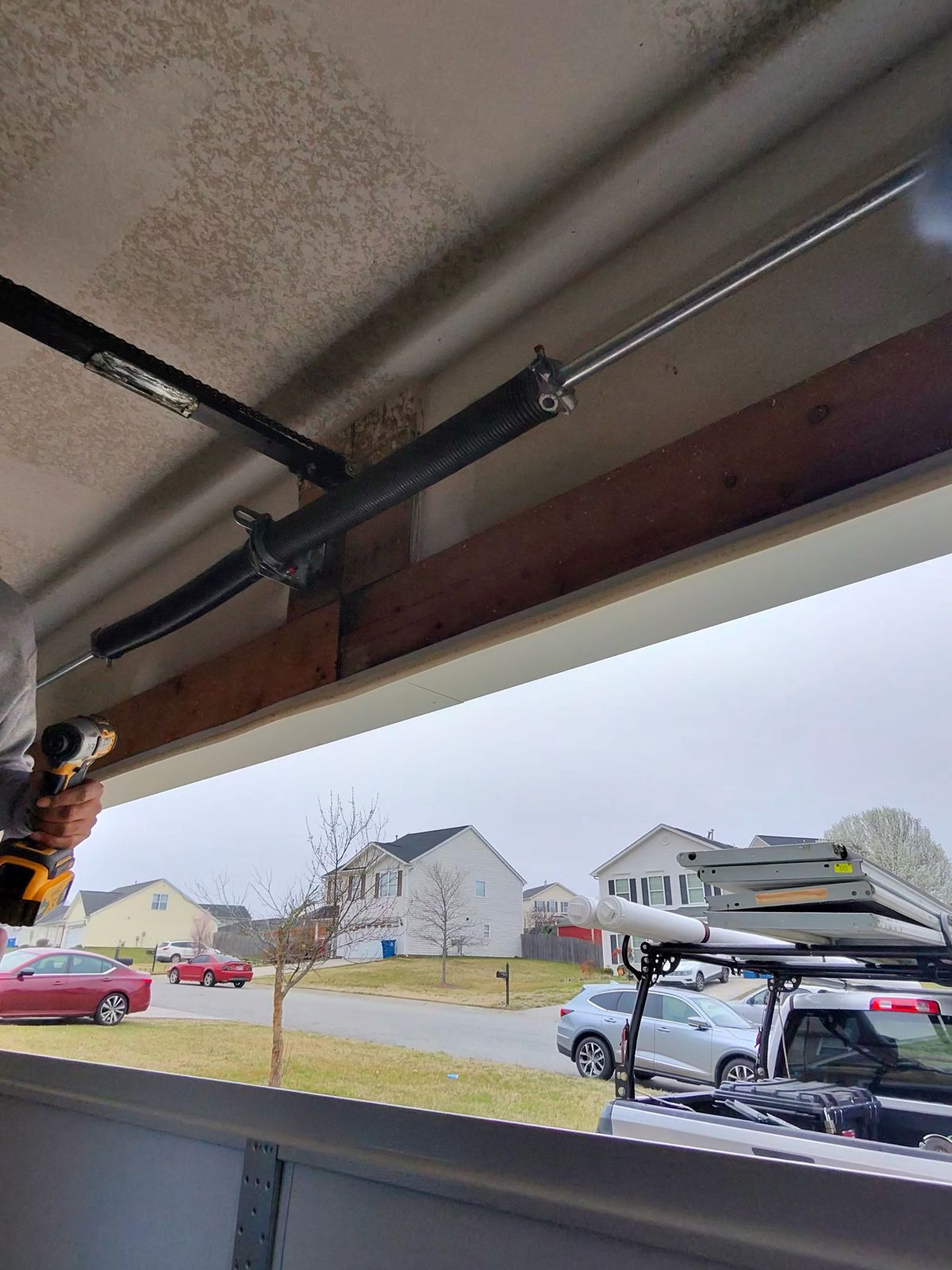
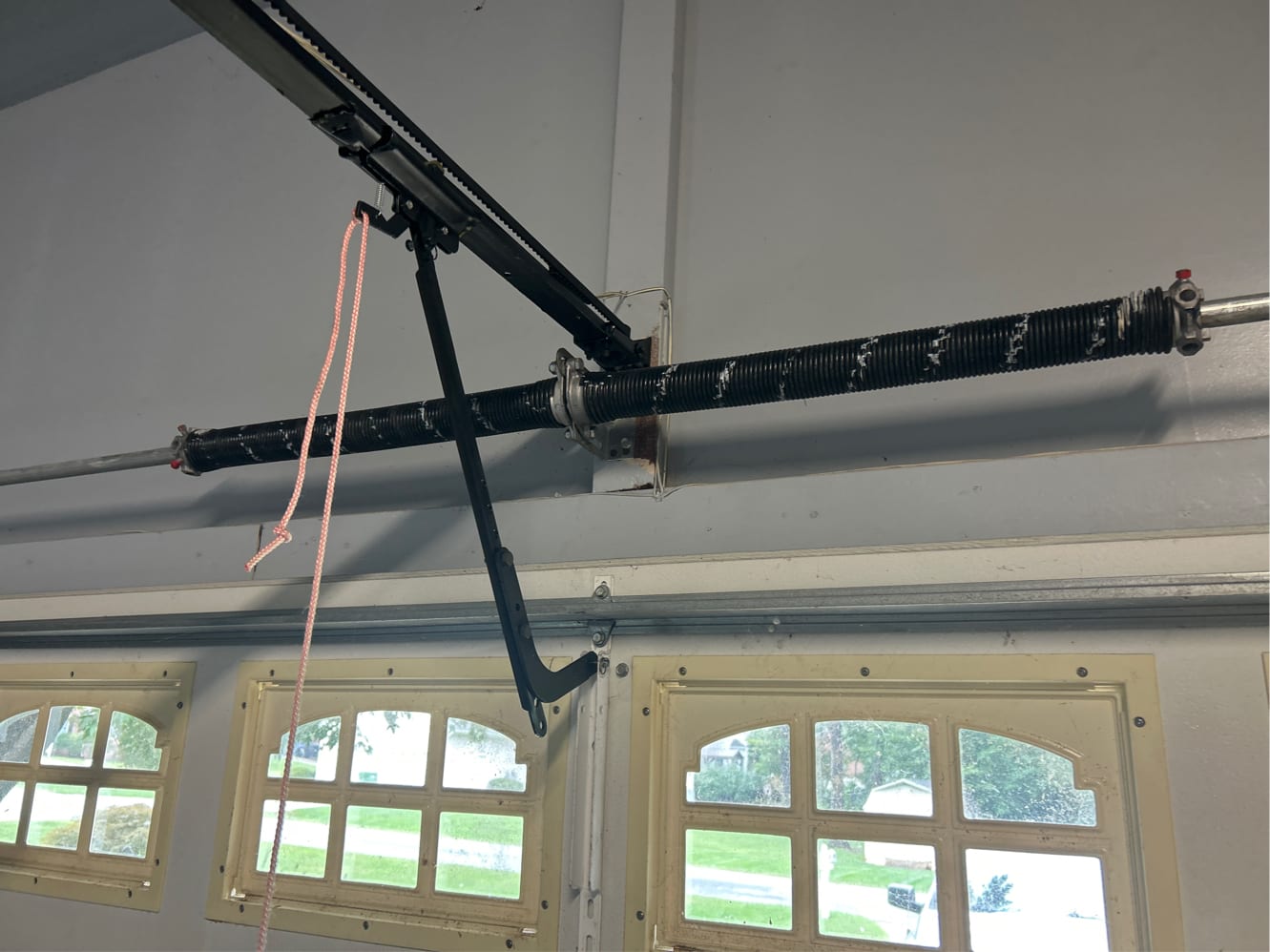
Recent garage door springs projects from across the Piedmont Triad.
Still Have Questions?
Our team is happy to walk you through anything you've read here. Free estimates, honest answers, no pressure.