
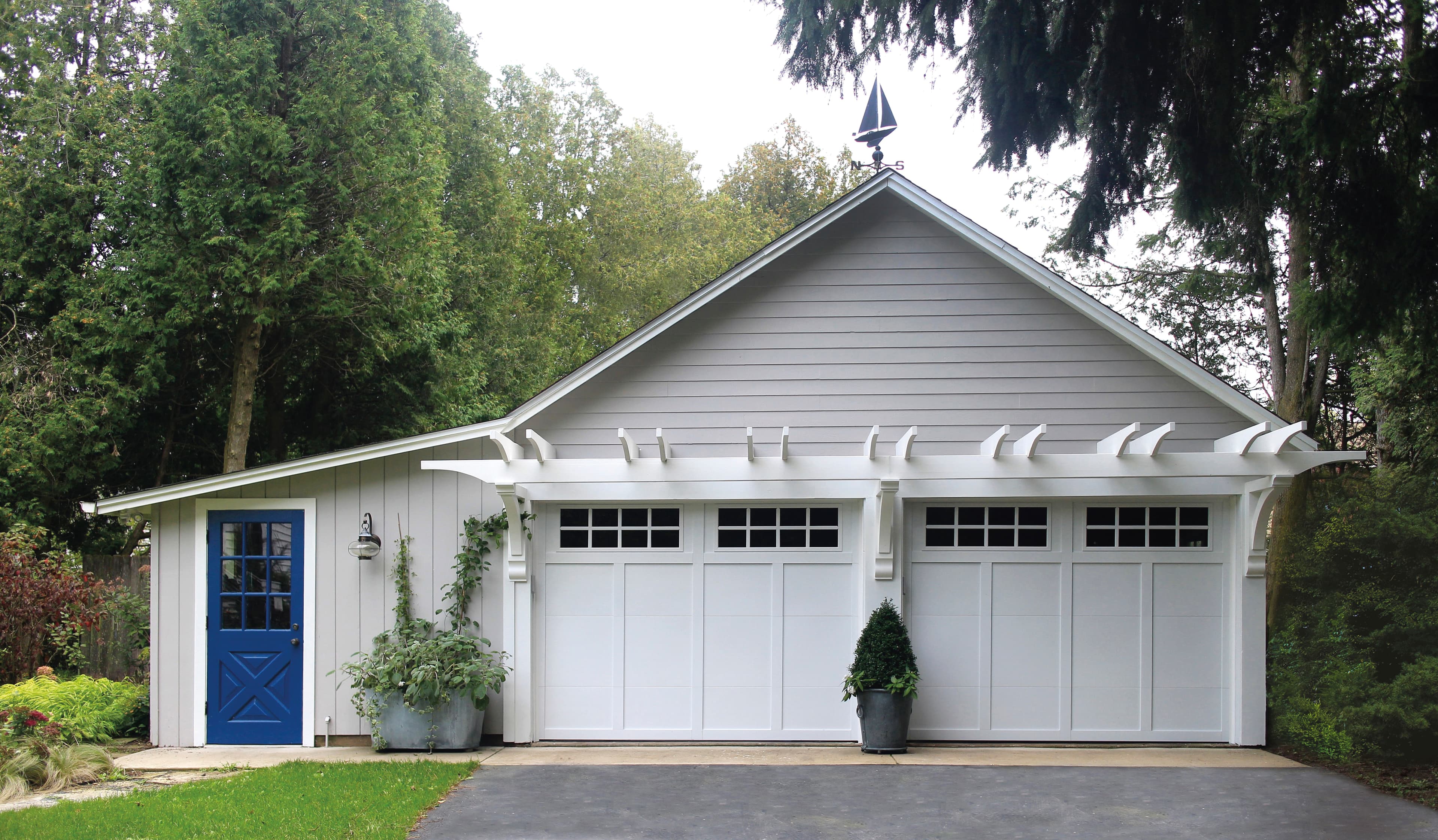
North Carolina's Piedmont Triad region experiences all four seasons with intensity — humid summers exceeding 95°F, spring thunderstorms with high winds, fall temperature swings, and winter freezes that stress mechanical components. Your garage door system responds to every seasonal change, expanding in heat, contracting in cold, and collecting moisture year-round.
This seasonal maintenance checklist, developed from thousands of service calls across Whitsett, Burlington, Greensboro, and surrounding communities, helps homeowners prevent costly failures and extend the life of their garage door system.
Spring Maintenance (March–May)
Spring is recovery season. Your door has endured winter cold and needs inspection for weather damage and lubrication after months of dry, cold cycling.
Lubrication Service
After winter, all moving parts benefit from fresh lubrication:
- **Torsion springs:** Apply silicone or white lithium spray along the full length of each spring. This prevents rust formation and reduces stress during cycling.
- **Hinges:** Spray the pivot point of each hinge where the hinge pin enters the barrel. Work the door a few cycles to distribute lubricant.
- **Rollers:** Nylon rollers need no lubrication. Steel rollers with bearings should be sprayed at the bearing (the small hole at the shaft).
- **Bearing plates:** The bearing plates at either end of the torsion bar (where the bar meets the wall bracket) should be lubricated.
- **Lock mechanism:** If your door has a manual lock, lubricate the keyhole and latch mechanism with graphite or light machine oil.
Never lubricate: Tracks (grease attracts dirt and causes rollers to slip), the bottom seal, or photo-eye sensors.
Post-Winter Inspection
Walk around the garage door and check: - **Weather seals:** Look for cracks, peeling, or gaps in the bottom seal and side weatherstripping. NC winter cold causes rubber to harden and crack. - **Panels:** Check for dents, cracks, or warping from wind, ice, or thermal cycling. - **Cables:** Look for fraying, kinks, or corrosion. Cables that survived winter but show wear should be replaced proactively. - **Tracks:** Check alignment by looking at the gap between the rollers and track edges. It should be consistent.
Balance Test
This is the single most important test you can perform: 1. Disconnect the opener (pull the emergency release) 2. Manually lift the door to the halfway point 3. Release the door completely 4. A balanced door stays in place. If it rises, springs are too tight. If it falls, springs are weakening.
Perform this test in spring and fall. If the door fails in spring, schedule spring adjustment before the heavy-use summer months.
Summer Maintenance (June–August)
Summer in the Piedmont Triad means heat, humidity, and heavy use. Kids home from school, vacation loading/unloading, and workshop projects mean your door may cycle 8–12 times per day instead of the normal 4.
Heat-Related Adjustments
- **Travel limits:** Extreme heat causes steel doors to expand slightly. If your door doesn't close flush to the floor or reverses before reaching the floor, the close limit or force setting on your opener may need adjustment. This is the #1 summer service call in Whitsett and Burlington.
- **Sensor alignment:** Thermal expansion of the door frame can shift sensor mounting brackets by millimeters — enough to misalign the infrared beam. If your door reverses without obstruction, check sensor LED indicators.
Humidity Protection
NC summers are humid. Protect your system: - **Inspect for rust:** Check springs, hinges, and cable fittings for rust formation. Catch it early with a wire brush and lubricant before it weakens components. - **Check the bottom seal:** Summer storms push water under the door. Ensure the bottom seal contacts the floor without gaps. - **Ventilation:** If you use your garage as a workshop, ensure adequate ventilation. Trapped humidity accelerates corrosion of all metal components.
Safety System Test
Summer is when kids are most active around the garage. Test all safety features: 1. **Photo-eye test:** Place a cardboard box in the door path. Press close. The door must reverse before contacting the box. 2. **Auto-reverse test:** Place a 2x4 flat on the floor under the door. Press close. The door must reverse within 2 seconds of contacting the board. 3. **Emergency release test:** Pull the release, manually operate the door, then re-engage. Ensure it reconnects properly.
Fall Maintenance (September–November)
Fall is preparation season. Winter stress is coming, and you want every component in peak condition before cold temperatures arrive.
Pre-Winter Preparation
- **Full lubrication refresh:** Repeat the spring lubrication service. Components entering winter well-lubricated experience significantly less stress during cold cycling.
- **Weatherstripping upgrade:** If any seals showed wear in your spring inspection, replace them before winter. Cold air infiltration through worn seals wastes heating energy and makes the garage miserable.
- **Bottom seal replacement:** If the rubber is hardened, cracked, or doesn't conform to the floor surface, replace it now. A quality T-style or bulb seal costs $20–$40 and takes 30 minutes to install.
Balance Retest
Perform the balance test again. If your door was balanced in spring but fails now, your springs have weakened measurably over the summer (high-cycle summer usage accelerates wear). Schedule professional spring evaluation.
Hardware Tightening
Vibration from thousands of summer cycles loosens hardware: - Tighten all hinge bolts with a socket wrench - Tighten track mounting brackets - Check the opener mounting bracket (ceiling mount) - Tighten the rail-to-header bracket connection - Check that roller stems are secure in their hinges
Opener Maintenance
- Replace opener remote batteries (cheap insurance against winter failures)
- Test battery backup by unplugging the opener and cycling the door
- Clear any cobwebs from the motor housing vents
- Verify the force settings haven't drifted (place a 2x4 under the closing door — it must reverse)
Winter Maintenance (December–February)
Winter in the Piedmont Triad brings freezing temperatures, ice storms, and occasional snow. Your garage door system faces unique stress in cold weather.
Cold-Weather Issues
- **Door sticking to the floor:** After rain followed by a freeze, the bottom seal can freeze to the concrete. Never force the door open — this tears the seal. Apply silicone lubricant to the floor contact area and allow it to thaw naturally, or use a heat source on the seal.
- **Sluggish operation:** Cold thickens lubricant and makes rubber seals stiff. The opener may work harder. This is normal up to a point — if the opener strains or stops mid-cycle, there may be a deeper issue.
- **Condensation on springs:** Temperature cycling between daytime warmth and nighttime cold creates condensation. This accelerates rust if springs weren't lubricated in fall.
Ice Storm Precautions
NC ice storms are among the most damaging weather events for garage doors: - **Do not open the door if ice is accumulating on it.** The added weight of ice can overwhelm springs and opener motors. - **Clear ice and snow from the bottom seal** before operating the door. - **After a significant ice event,** visually inspect all hardware for damage before resuming normal operation.
Monthly Winter Check
Walk through the garage monthly and verify: - No unusual sounds during operation - Door moves at consistent speed throughout travel - Bottom seal contacts floor without visible gaps - Opener light activates and motor sounds normal - Safety sensors are clean and aligned (check LEDs)
When to Call a Professional
While homeowner maintenance extends system life, certain tasks require professional tools and training:
- Spring adjustment or replacement (dangerous stored energy)
- Cable replacement (under spring tension)
- Track realignment (affects door balance and safety)
- Opener force calibration (affects auto-reverse safety compliance)
- Any repair involving the torsion system
Top-Notch Garage Doors offers comprehensive annual tune-up packages that cover everything on this checklist plus professional-grade adjustments. We serve Whitsett, Burlington, Greensboro, Gibsonville, McLeansville, Elon, and all Piedmont Triad communities.
Schedule your seasonal maintenance at (336) 604-6494 or book online. Preventive maintenance is the single best investment in your garage door's longevity and your family's safety.
Need help with your garage door?