
Safety Features, Risks & What Every Homeowner Should Know
A garage door is the largest moving object in your home and one of the heaviest. Understanding the safety systems built into modern doors — and testing them regularly — protects your family.
Quick Facts
Federal law requires auto-reverse on all openers manufactured after 1993
Photo-eye sensors must be no higher than 6 inches from the floor
Test your auto-reverse monthly — it takes 10 seconds
Pinch-resistant panels prevent finger injuries at panel joints
Tamper-resistant brackets at the bottom of the door should never be loosened
In-Depth Articles
Deep-dive guides written by our technicians — 1,500–2,500 words each, no filler.


Frequently Asked Questions
The questions our customers ask most — answered honestly.
How do I test the auto-reverse feature?
Place a 2×4 flat on the ground under the door. Close the door — it should reverse immediately upon contact. If it doesn't, adjust the force settings or call for service.
Are garage door springs dangerous?
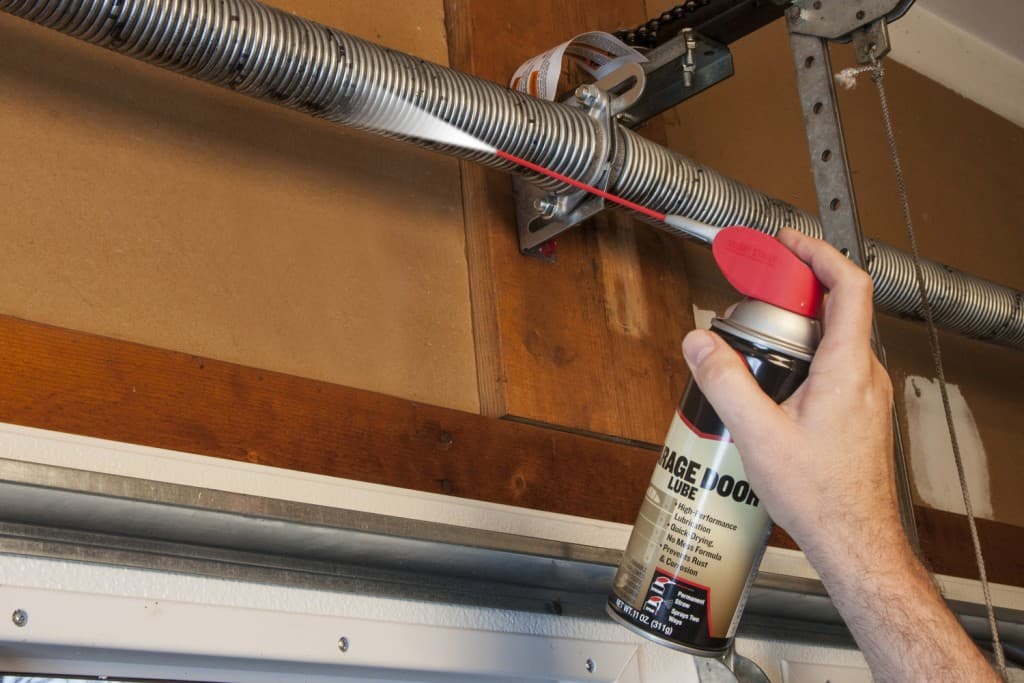
Yes. A torsion spring under full tension stores enough energy to cause severe injury. Never attempt to adjust, remove, or replace springs yourself. This is a professional-only job.
What should I do if my door falls suddenly?
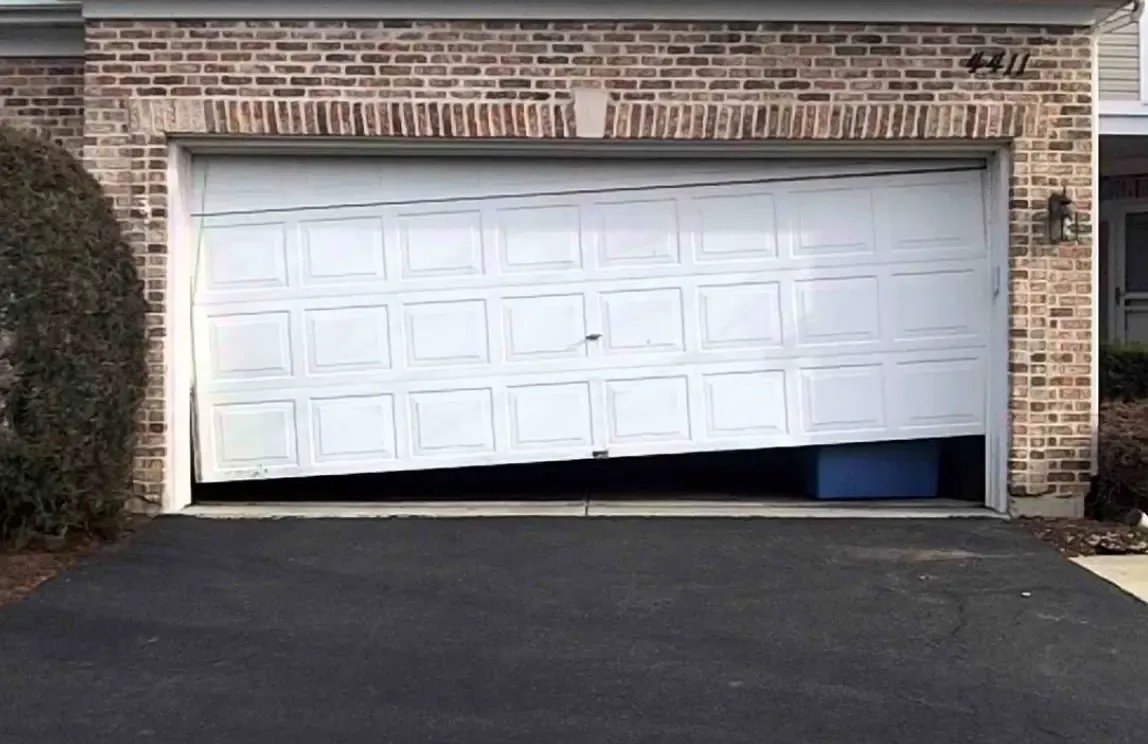
Stay clear. A falling door means cable failure or both springs broke simultaneously. Do not attempt to lift or operate it. Call for emergency service and keep children and pets away.
How do I use the emergency release safely?
Pull the red handle straight down while the door is closed. This disconnects the opener so you can lift manually. Never pull it while the door is open — it could slam down under its own weight.
Still Have Questions?
Our team is happy to walk you through anything you've read here. Free estimates, honest answers, no pressure.