
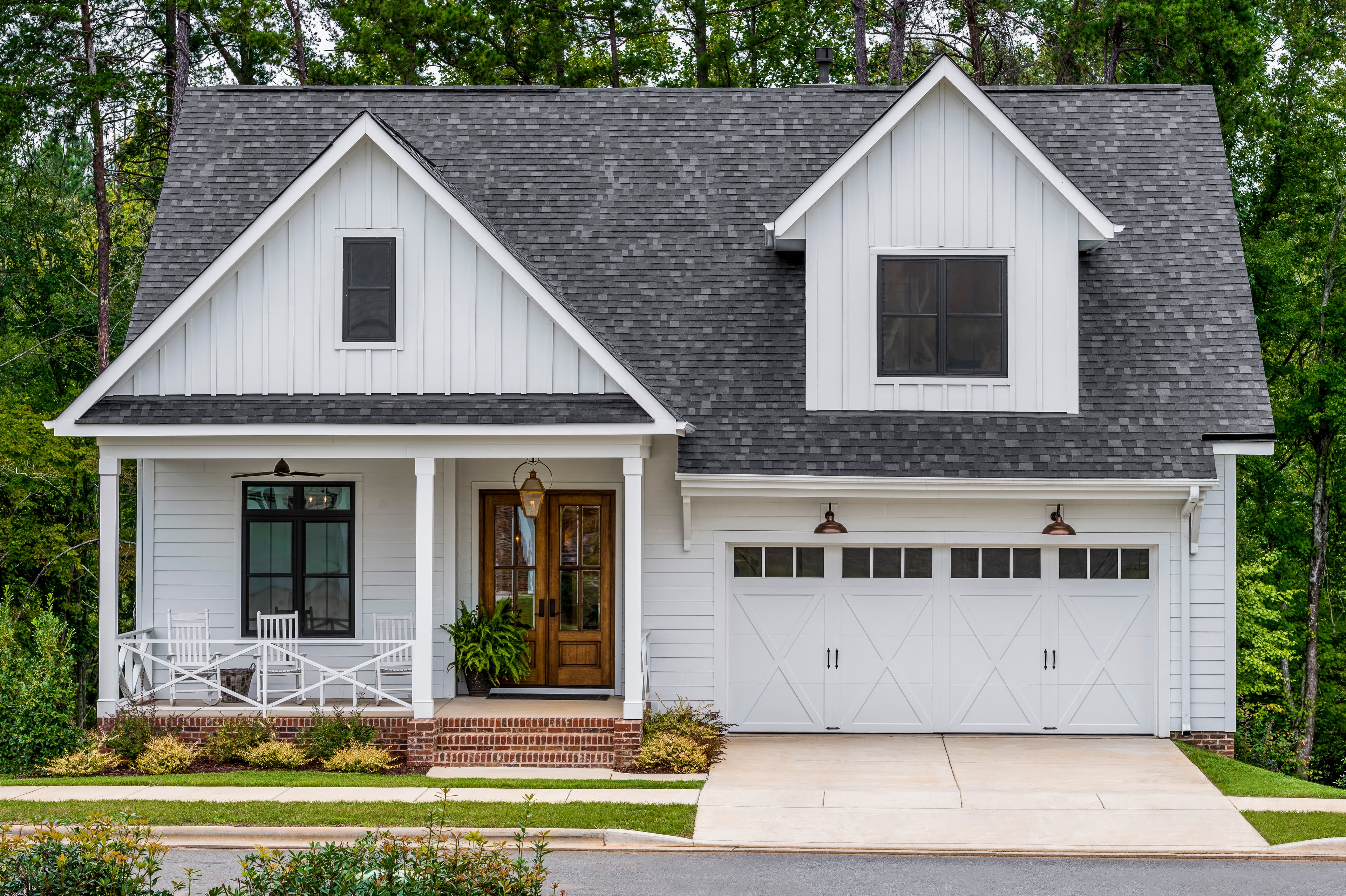
Garage doors are the heaviest moving object in most homes — weighing 130 to 400+ pounds and generating tremendous force during operation. According to the U.S. Consumer Product Safety Commission, garage doors cause approximately 30,000 injuries per year, including crush injuries, pinch injuries, and entrapment. Most of these are preventable with properly maintained safety features.
For homeowners in Whitsett, Burlington, Greensboro, and the Piedmont Triad area, understanding these safety features — and verifying they work — is essential, especially in homes with children and pets.
Federal Safety Requirements (UL 325)
Since 1993, all residential garage door openers sold in the United States must comply with UL 325 safety standards. This federal requirement mandates:
- . **Mechanical auto-reverse:** The door must reverse within 2 seconds when it contacts a 2-inch-high obstruction during closing.
- . **Photoelectric sensors:** An infrared beam across the bottom of the door opening that reverses the door if broken during closing.
- . **Constant-pressure close option:** If sensors are disconnected, the door can only close while the wall button is continuously held.
- . **Entrapment protection:** The door must not trap a person or object between the door and the floor, jamb, or header.
If your opener was installed before 1993 or doesn't have these features, it is non-compliant and should be replaced immediately. This is not optional — it's a safety issue that could result in serious injury or death.
Safety Feature 1: Photo-Eye Sensors
Photo-eye sensors are the two small devices mounted 4–6 inches above the floor on each side of the door opening. One emits an invisible infrared beam; the other receives it. If anything breaks the beam while the door is closing, the door immediately reverses.
How they protect you: A child, pet, or object entering the door path while it's closing triggers immediate reversal — preventing crush injuries. This is the single most important safety device on your garage door.
How to verify they work: 1. Start the door closing from the wall button 2. Wave a broom handle through the beam near the floor 3. The door must reverse immediately 4. Repeat the test monthly
Common issues in NC homes: - Sun interference: Direct afternoon sun hitting the receiving sensor can overwhelm the beam. Install a small shade tube (cardboard or commercial). - Vibration misalignment: Door operation vibration gradually shifts sensor angles. Realign if the receiving LED blinks. - Condensation: Morning condensation on lenses blocks the beam. Wipe dry. - Spider webs: Spiders love building webs between sensors. Check and clean regularly.
Critical warning: NEVER disable, bypass, or remove photo-eye sensors. We have seen homeowners tape sensors facing each other on the ceiling to "solve" false triggering. This eliminates entrapment protection and creates a lethal hazard.
Safety Feature 2: Mechanical Auto-Reverse
Even if the photo-eye fails or is blocked, the mechanical auto-reverse provides a backup. When the closing door encounters unexpected resistance (an object, person, or pet), it must reverse within 2 seconds.
This works via force-sensitivity settings in the opener. The motor monitors how much force is required to move the door. When force exceeds the set threshold, the opener reverses direction.
How to test (monthly): 1. Lay a 2x4 flat on the floor in the door path 2. Close the door via wall button 3. When the door contacts the 2x4, it must reverse within 2 seconds 4. If it crushes the 2x4 without reversing, the close-force is set too high
Adjustment: Most openers have a close-force adjustment screw or dial. Reduce it until the door reliably reverses on the 2x4 test. If you cannot achieve reliable reversal without the door also reversing during normal operation (before reaching the floor), call for professional calibration.
Safety Feature 3: Pinch-Resistant Panels
Modern garage door panels (from manufacturers like Amarr with SafeGuard technology) are designed with flush joints between panel sections that prevent fingers from being caught in the gap as the door moves.
Traditional doors have exposed joints where panels hinge — creating a pinch point that can trap small fingers, especially at child height. Pinch-resistant panels eliminate this risk through recessed hinge points and flush interior panel faces.
Our recommendation: If you have young children and your door was manufactured before 2010, ask about pinch-resistant panel upgrades or full door replacement. All new doors we install from Amarr, Clopay, and CHI include pinch-resistant designs standard.
Safety Feature 4: TorqueMaster Spring Containment
Standard torsion springs are exposed — wound around a bar above the door. If a spring breaks, the pieces can whip outward with tremendous force. While this is rarely directed at a person, it can damage nearby objects and is inherently dangerous.
Wayne Dalton's TorqueMaster system encloses the springs inside a steel tube. If a spring breaks, the fragments are contained. The door gradually becomes heavy rather than slamming.
Who should consider this: Homes where the area above the garage door (directly inside) is used for storage, workbench, or foot traffic. The contained system eliminates the risk of spring fragment ejection.
Safety Feature 5: Battery Backup
A garage door stuck open during a power outage is a security vulnerability — anyone can walk into your garage and potentially access your home through the interior door. Battery backup openers allow you to close and secure the door even without electricity.
This is particularly important for Piedmont Triad homeowners during: - Hurricane season (power outages lasting hours or days) - Summer thunderstorms - Winter ice storms (the most common cause of extended NC outages)
All LiftMaster models we install include battery backup standard. Chamberlain and Genie offer it on select models.
Safety Feature 6: Manual Emergency Release
The red cord hanging from your opener trolley is the emergency release. Pulling it disconnects the door from the opener, allowing manual operation.
When to use it: - During power outages (after verifying springs are intact) - When the opener fails and you need to operate the door manually - In an emergency requiring immediate exit
Safety protocol: - Only pull the release when the door is fully closed. If pulled while the door is open, the door may crash down if springs are weakened. - After power returns, re-engage by pressing the remote or wall button — the trolley reconnects automatically on the first cycle. - Test the release mechanism twice per year to ensure it moves freely.
Safety Feature 7: Automatic Closing Timer
Modern smart openers include a timer-to-close feature that automatically closes the door after a set period (5, 10, or 20 minutes). This prevents the common scenario of leaving the garage open accidentally — overnight, while away, or after arriving home distracted.
Why it matters for safety: - An open garage door is an invitation for theft (tools, bikes, vehicles) - An open garage provides access to the home interior via the garage-to-house door - Wildlife, stray animals, and pests enter through open garages - In NC heat, an open garage allows significant cooling loss
We configure timer-to-close on every smart opener installation. Homeowners can adjust the delay or disable it via the app.
Safety Feature 8: Motion-Detection Lighting
Integrated LED lighting on modern openers activates when motion is detected in the garage — providing visibility before you step out of your vehicle. This prevents trips, falls, and collision with objects in a dark garage.
LiftMaster's premium openers include 2,000+ lumens of LED flood lighting with motion activation. This eliminates the need for separate garage lighting in many installations.
Creating a Safety Routine
We recommend this monthly safety check for Piedmont Triad homeowners:
- . ✅ Photo-eye test (wave object through beam during close)
- . ✅ Auto-reverse test (2x4 on floor)
- . ✅ Visual spring inspection (look for gaps, rust)
- . ✅ Visual cable inspection (fraying, looseness)
- . ✅ Emergency release test (pull and re-engage)
- . ✅ Check for pinch points at panel joints (especially with young children)
Total time: 5 minutes. Impact: Prevents injuries that cause thousands of ER visits annually.
When to Upgrade for Safety
Consider upgrading your garage door system if: - Your opener was installed before 1993 (no photo-eyes) - You don't have battery backup (security risk during outages) - Your door panels have exposed pinch points (homes with small children) - Your opener lacks auto-reverse or the test consistently fails - You have no timer-to-close feature (garage frequently left open)
Top-Notch Garage Doors provides free safety assessments for homeowners in Whitsett, Burlington, Greensboro, Gibsonville, McLeansville, Elon, and the greater Piedmont Triad. We evaluate your current system against modern safety standards and recommend targeted upgrades.
Call (336) 604-6494 or book online for your free safety inspection.
Need help with your garage door?