
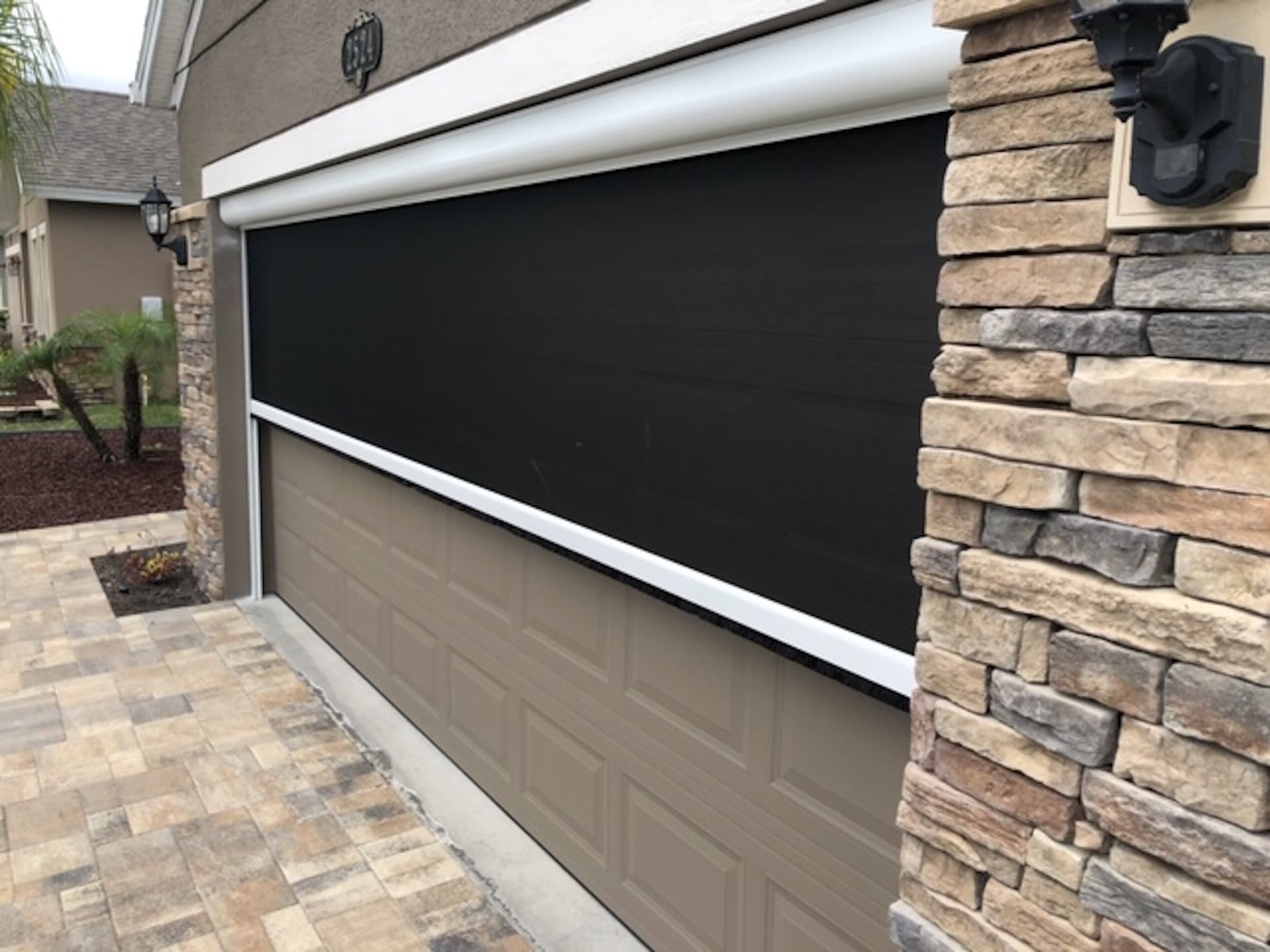
The garage screen door market has exploded over the past five years as homeowners discover they can transform underused garage space into versatile living areas. In the Piedmont Triad — where evening temperatures are perfect for open-air enjoyment from April through October — a garage screen door is one of the highest-value lifestyle upgrades available.
This guide covers everything you need to decide: types, features, costs, installation considerations, and real-world use cases from homeowners across Whitsett, Burlington, Greensboro, and surrounding NC communities.
Why Garage Screens Are Booming in NC
North Carolina's climate makes garage screens particularly valuable:
- **Long warm season:** Usable from April through October (7 months) in the Piedmont region
- **Evening temperatures:** Spring and fall evenings in the 60s–70s are perfect for open-air use
- **Bug pressure:** NC mosquitoes, gnats, and yellow flies make unscreened outdoor time miserable
- **Pollen season:** Screens help reduce pollen infiltration during spring months
- **Storm shelter viewing:** Triad residents love watching thunderstorms from a protected vantage point
The pandemic-era shift toward home-based hobbies, home gyms, and outdoor entertaining accelerated demand. We've seen a 3x increase in screen door inquiries since 2022 across our Triad service area.
Screen Door Types Compared
Retractable Motorized Screens
The premium option. A motorized screen housed in a compact casing above the garage opening. Deploys at the touch of a button and retracts completely out of sight when not in use.
How it works: A tubular motor rolls the screen material around a spring-loaded tube inside an aluminum housing mounted at the top of the garage opening. Side tracks guide the screen's weighted bottom bar for wind resistance. Operation via remote control, wall switch, or smartphone (on some models).
Pros: - Completely hidden when retracted — preserves garage appearance - One-touch operation - Wind-resistant with side tracking - Largest variety of mesh options - Doesn't interfere with garage door operation - Works with any garage door (standard, high-lift, or commercial)
Cons: - Highest price point - Motor is a potential failure point (rare with quality brands) - Requires 4–6 inches of headroom above the door opening for the housing
Price range (installed): $1,500–$3,000 (single-car); $2,500–$4,500 (double-car)
Manual Roll-Up Screens
Spring-assisted screens that mount above the garage opening. Pull down to deploy using a handle or pull-bar; spring tension rolls them back up when released.
How it works: Similar concept to a window roller shade but built for a full garage opening. A spring-loaded tube houses the screen material. Pull the bottom bar down to extend; a latch holds it in the lowered position. Release the latch to retract.
Pros: - No electricity required - Lower cost than motorized - Simple, reliable mechanism - No motor to maintain - Fast operation
Cons: - Requires physical effort to deploy (especially wide openings) - Less precise control than motorized - Spring tension may need adjustment over time - Bottom bar must be manually latched
Price range (installed): $800–$1,800 (single-car); $1,200–$2,800 (double-car)
Fixed Panel Screens
Permanent or semi-permanent screen panels that mount to the garage opening frame. Typically include a zippered walk-through entry for foot traffic.
How it works: Screen material is stretched over a lightweight aluminum frame or hung from a top track. The screen stays deployed at all times (or is removed seasonally). A zippered or magnetic entry slit allows walk-through access without retracting the entire screen.
Pros: - Most affordable option - No mechanical components to fail - Easy seasonal installation/removal (some models) - Available as DIY kits - Multiple entry options (zipper, magnetic strip, weighted walk-through)
Cons: - Always visible (doesn't retract) - Can look temporary or DIY-quality if not professionally installed - Incompatible with daily garage door use unless removed first - Walk-through entries can sag or misalign over time
Price range (installed): $400–$1,000 (single-car); $700–$1,500 (double-car)
Sliding Panel Screens
Screen panels that slide on a track, similar to a sliding glass door. One or more panels slide to open a portion of the garage opening for access.
Pros: - No lifting or rolling mechanism - Easy operation - Clean appearance - Allows partial opening
Cons: - Panels store to one side (take up wall space) - Tracks require periodic cleaning - Less common (fewer product options)
Price range (installed): $1,000–$2,500 depending on opening size and panel count
Mesh Types: What Blocks What
Standard Fiberglass Mesh (18x16 count)
The most common mesh for general insect protection. Blocks mosquitoes, flies, wasps, and most gnats. Allows excellent visibility and airflow.
Best for: General bug protection with maximum airflow and visibility
No-See-Um Mesh (20x20 count)
Finer mesh that blocks tiny insects including no-see-ums (biting midges), sand fleas, and small gnats. Slightly reduced airflow and visibility compared to standard.
Best for: Homes near water features, creeks, or wooded areas where tiny biting insects are a problem. Parts of eastern Guilford County and areas near Alamance Creek have significant no-see-um populations.
Solar Screen Mesh
Heavier-duty mesh designed to block up to 70–90% of solar heat gain and UV rays while still providing insect protection. Reduces visibility (you can see out better than people can see in).
Best for: South and west-facing garages that receive intense afternoon sun. Significantly reduces garage temperature during NC summers. Also provides privacy from street traffic.
Pet-Resistant Mesh
Reinforced vinyl-coated polyester mesh that resists scratching, clawing, and pushing from dogs and cats. Heavier and slightly less transparent than standard fiberglass.
Best for: Households with dogs that will push against or scratch the screen
Real-World Use Cases from Triad Homeowners
Home Gym (Most Popular)
Multiple homeowners in Whitsett and Burlington have converted their garages into year-round fitness spaces using retractable screens. The setup: gym equipment on rubber mat flooring, screen deployed during workouts for ventilation, retracted when done so the garage functions normally.
Why it works: NC heat makes enclosed garage workouts unbearable May–September. Screens allow full airflow without bugs. The retractable design means you're not dedicating the space permanently — park cars inside when not exercising.
Workshop/Maker Space
Woodworkers, automotive hobbyists, and DIY enthusiasts across the Triad use screens to ventilate their work while keeping debris from blowing into the garage and preventing insects from landing on wet paint or finishes.
Entertaining/Social Space
The "outdoor room" concept. Deploy the screen, set up chairs and tables, connect a TV for the game, and enjoy a shaded outdoor-indoor hybrid space. Particularly popular for football season (August–January) when temperatures are screen-friendly and bugs are still active.
Pet Enclosure
Screens allow pets to enjoy the outdoors safely — contained within the garage perimeter, protected from passing traffic and loose animals, while enjoying fresh air and visual stimulation.
Installation Considerations
Headroom
Retractable and roll-up screens need 4–6 inches of clear space above the garage door opening for the housing unit. Measure from the top of the opening to the nearest obstruction (header framing, opener rail, track hardware). If headroom is tight, wall-mount or fixed-panel options may be necessary.
Track Clearance
Side-tracking screens need clear wall space beside the opening for guide tracks. Verify there are no obstructions (shelving, electrical panels, hose reels) that would prevent track installation.
Opener Compatibility
Retractable screens deploy BELOW the garage door — they do not interfere with door operation. The garage door opens and closes normally above the screen position. However, if you want to use both simultaneously (screen deployed with door open), the door must clear the screen housing.
Wind Considerations
The Piedmont Triad experiences occasional high winds during thunderstorms. Wind resistance varies by screen type: - Side-tracked retractable: Best wind resistance (screen captured in tracks on both sides) - Roll-up with weights: Moderate (bottom bar weight holds against moderate gusts) - Fixed panel: Good (fully secured to frame) - Magnetic or untracked: Poor (blow open in wind)
We recommend side-tracked options for any screen intended for regular use in the Triad's variable weather.
Electrical Requirements (Motorized)
Motorized screens require a 120V outlet near the top of the garage opening. If your garage doesn't have one in the correct location, we coordinate with electricians to add a dedicated outlet during installation.
Our Installation Process
- . **Free on-site measurement** — We measure the opening precisely and assess headroom, tracks, and electrical availability
- . **Product selection** — Based on your use case, budget, and opening specifications
- . **Custom fabrication** — Screen is built to your exact dimensions (7–10 business days)
- . **Professional installation** — Our team installs housing, tracks, and screen. Includes electrical connection for motorized units.
- . **Demonstration and care instructions** — We walk you through operation, maintenance, and seasonal considerations
Average installation time: 2–4 hours for single-car, 3–5 hours for double-car (includes motorized wiring).
Maintenance Requirements
Garage screens are low-maintenance: - **Monthly:** Brush debris from tracks (leaves, cobwebs, insects) - **Quarterly:** Wipe mesh with damp cloth to remove pollen and dirt - **Annually:** Lubricate track guides with silicone spray - **As needed:** Repair small tears with screen repair patches (available at hardware stores) - **Seasonal:** If you prefer, retractable screens can remain retracted during winter months with no maintenance needed
Ready to Transform Your Garage?
Top-Notch Garage Doors installs all garage screen types throughout Whitsett, Burlington, Greensboro, Gibsonville, McLeansville, Elon, and the surrounding Piedmont Triad. We carry retractable motorized, manual roll-up, and fixed panel options with multiple mesh types.
Call (336) 604-6494 or book online for a free measurement and consultation. We'll assess your garage, discuss your intended use, and recommend the best option for your needs and budget.
Need help with your garage door?